
 BANKING & FINANCE
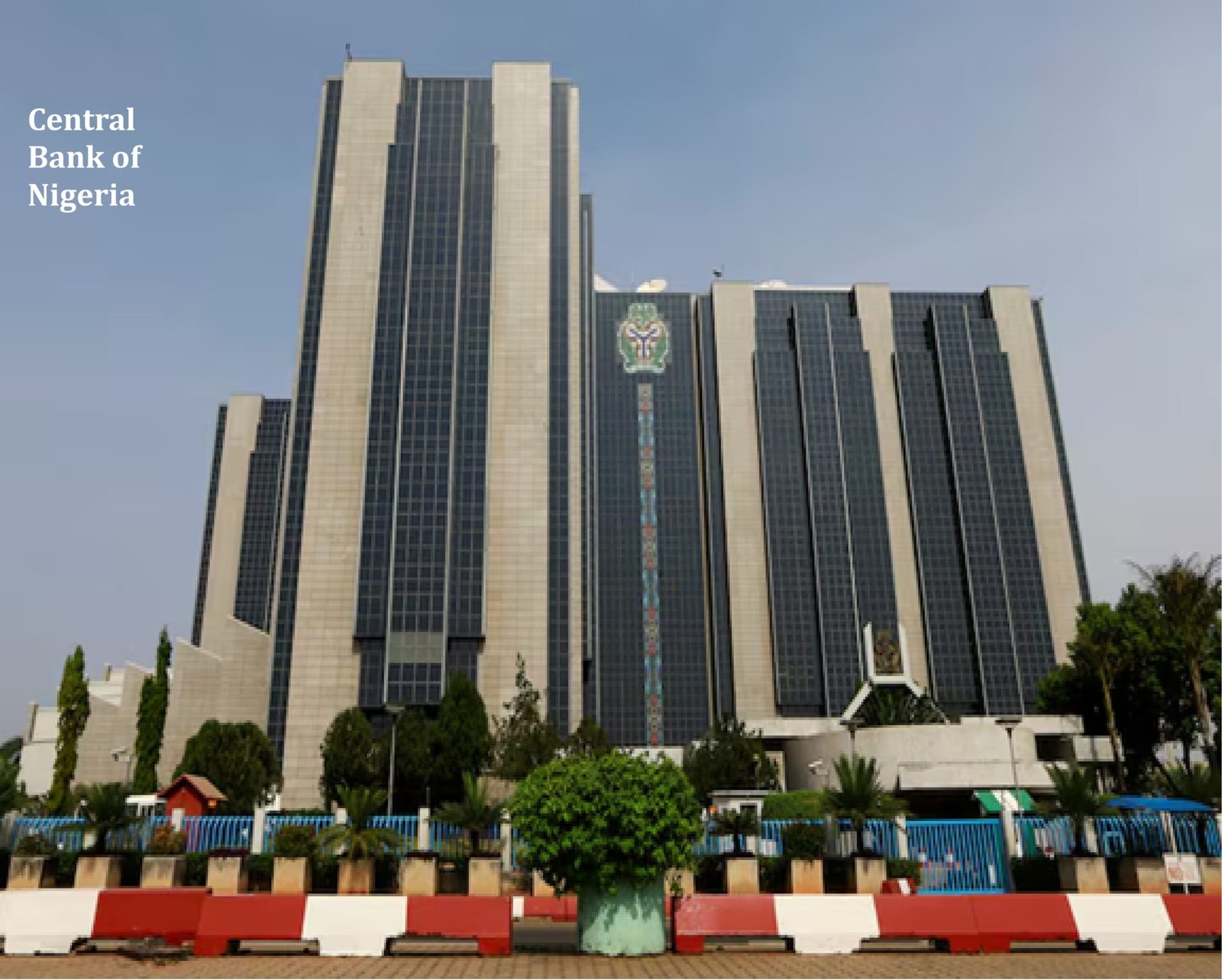
 Nigeria’s Central Bank (CBN) has set an ambitious target of achieving a $20 billion current account surplus in the medium term, signaling a renewed push to strengthen the country’s external position after years of persistent deficits.
FX Market Momentum and Policy Shifts
At the Nigeria Investors Forum in Washington, D.C., CBN officials outlined reforms designed to boost non-oil exports, stabilize foreign exchange flows, and rebuild external buffers. The FX market has already shown improvement, with monthly turnover increasing by 56.4 percent to $8.6 billion this year from $5.5 billion in 2024.
CBN Deputy Governor Mohammed Sani Abdullahi noted that average net FX flows between January 2023 and July 2025 have doubled, while capital inflows, which had dropped sharply between 2019 and 2020, are showing signs of recovery.
External Reserves and Buffer Strengthening
As of October 10, Nigeria’s external reserves stood at approximately $43.4 billion, the highest level in five years. At that level, reserves can cover about 11 months of imports — a strong buffer against external shocks.
To reinforce this growth, the central bank has returned about $13 billion to local and international banks, clearing outstanding backlogs and improving the quality of net reserves.
Strategic Alignment and Economic Policy
CBN Governor Olayemi Cardoso emphasized that closer coordination between the central bank and the Ministry of Finance is crucial to restoring investor confidence. The broader economic strategy includes structural reforms, disciplined monetary policy, and enhanced transparency across financial systems.
At the same time, the federal government is driving fiscal initiatives aimed at achieving 7 percent economic growth by 2027–2028. Oil’s share of GDP continues to decline — now around 4 percent, down from 8 percent in 2021 — while it still represents over half of Nigeria’s total exports.
Nigeria is also mobilizing around $32 billion with international partners such as the World Bank and African Development Bank to invest in power, digital infrastructure, and rural electrification. Part of this plan includes the rollout of nearly 90,000 kilometers of fiber-optic cable to strengthen the nation’s digital backbone and support long-term development.
Source
According to BusinessDay, Nigeria’s Central Bank is targeting a $20 billion current account surplus through foreign exchange reforms, increased exports, and stronger reserves.