
 BANKING & FINANCE
 The world of payments is transforming faster than ever. Digital transactions are no longer a convenience—they’re the backbone of modern commerce. From mobile wallets to central bank digital currencies (CBDCs), emerging trends are shaping how businesses and consumers interact with money. Let’s explore the future of digital payments and the key forces driving innovation in the coming decade.
1. Contactless Payments Become Mainstream
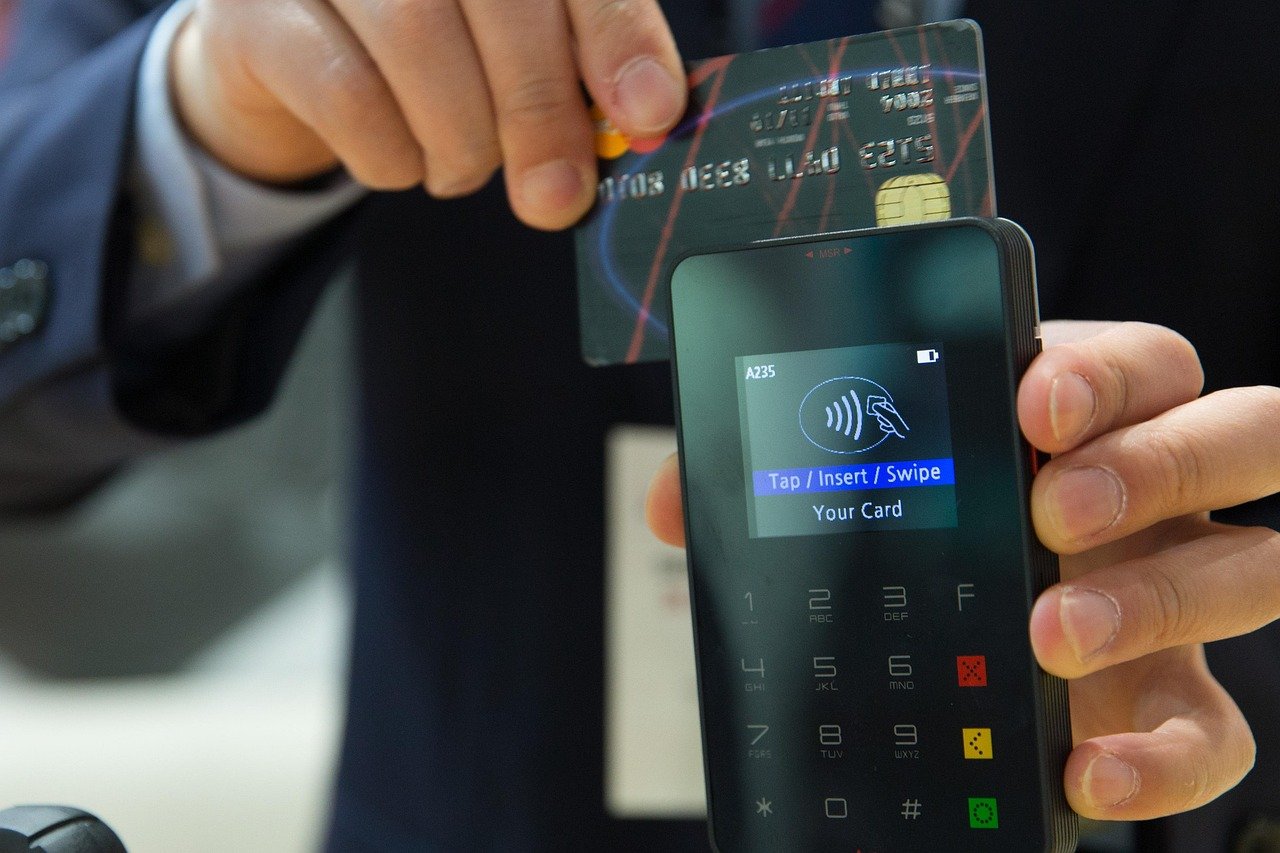
The pandemic accelerated the adoption of contactless payments, and this trend shows no sign of slowing. Consumers now expect quick, secure, and hygienic payment options. Retailers are investing in NFC-enabled terminals and QR-code solutions to meet this demand, making frictionless transactions the new standard.
2. Central Bank Digital Currencies (CBDCs)
CBDCs are gaining traction worldwide as governments explore alternatives to cash. Countries like China and the Bahamas are already piloting digital currencies, while the European Union and the U.S. are evaluating their potential. CBDCs promise faster, cheaper cross-border payments and greater financial inclusion.
3. Blockchain-Powered Security and Transparency
Blockchain technology is transforming payment infrastructure. Its decentralized nature enhances security and reduces fraud. From cross-border remittances to smart contracts, blockchain is making transactions more transparent, efficient, and traceable.
4. The Rise of Buy Now, Pay Later (BNPL)
BNPL services are reshaping consumer behavior by offering flexible payment plans without traditional credit cards. Platforms like Klarna and Afterpay have gained popularity, especially among younger consumers, making BNPL an essential part of e-commerce ecosystems.
5. AI-Driven Fraud Detection
Artificial intelligence is revolutionizing fraud prevention. Machine learning models can analyze transaction data in real-time to flag suspicious activities. This proactive approach protects consumers and reduces losses for businesses, strengthening trust in digital payment systems.
6. Financial Inclusion Through Mobile Wallets
In developing economies, mobile wallets are bridging the financial gap for unbanked populations. Platforms like M-Pesa in Kenya demonstrate how mobile-based financial services can empower communities and stimulate economic growth.