 AI
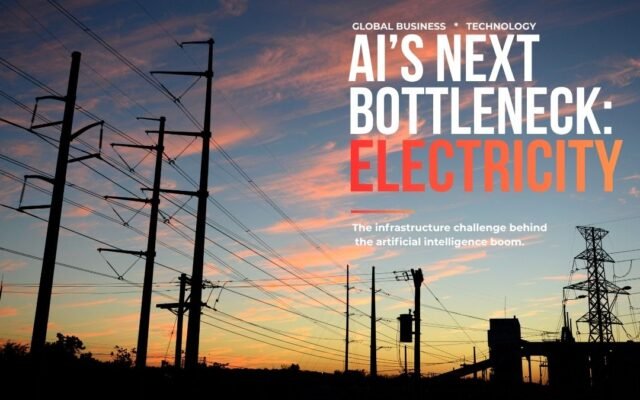
AI Artificial intelligence is often framed as a story of algorithms, talent and capital. Yet behind the surge in generative models and autonomous systems lies a more prosaic, and increasingly critical, constraint: electricity. As AI workloads scale rapidly, the strain placed on global energy infrastructure is emerging as one of the most pressing business and financial challenges facing the technology sector.
According to projections cited by the World Economic Forum, global electricity demand driven by AI could nearly triple by 2030. This is not a marginal increase layered onto existing systems, but a structural shift with implications for corporate strategy, national grids and long-term investment planning. For technology companies, access to reliable and affordable power is fast becoming as important as access to chips or data.
The root of the problem lies in the nature of modern AI itself. Training and running large-scale models requires vast data centres packed with high-performance processors, operating continuously and at extreme power densities. Unlike traditional enterprise computing, AI workloads are both energy-intensive and persistent, pushing facilities close to their thermal and electrical limits. Efficiency gains at the chip level have helped, but they have been outpaced by the sheer growth in demand.
This reality is reshaping how technology leaders think about infrastructure. Data centres were once relatively passive consumers of power, negotiating long-term contracts with utilities and focusing on cooling efficiency. Today, they are becoming active participants in energy markets, influencing where facilities are built and how power is generated. The economics of AI increasingly depend on securing energy at scale, over decades, and with predictable pricing.
Meta’s reported interest in unconventional energy sources, including nuclear power, illustrates how far this shift has progressed. Nuclear energy, once considered politically sensitive and operationally complex, is being re-evaluated through a pragmatic lens. For AI-driven companies, its appeal lies in its ability to deliver large volumes of continuous, carbon-light power without the intermittency challenges associated with renewables. What was previously a public policy debate is now a boardroom calculation.
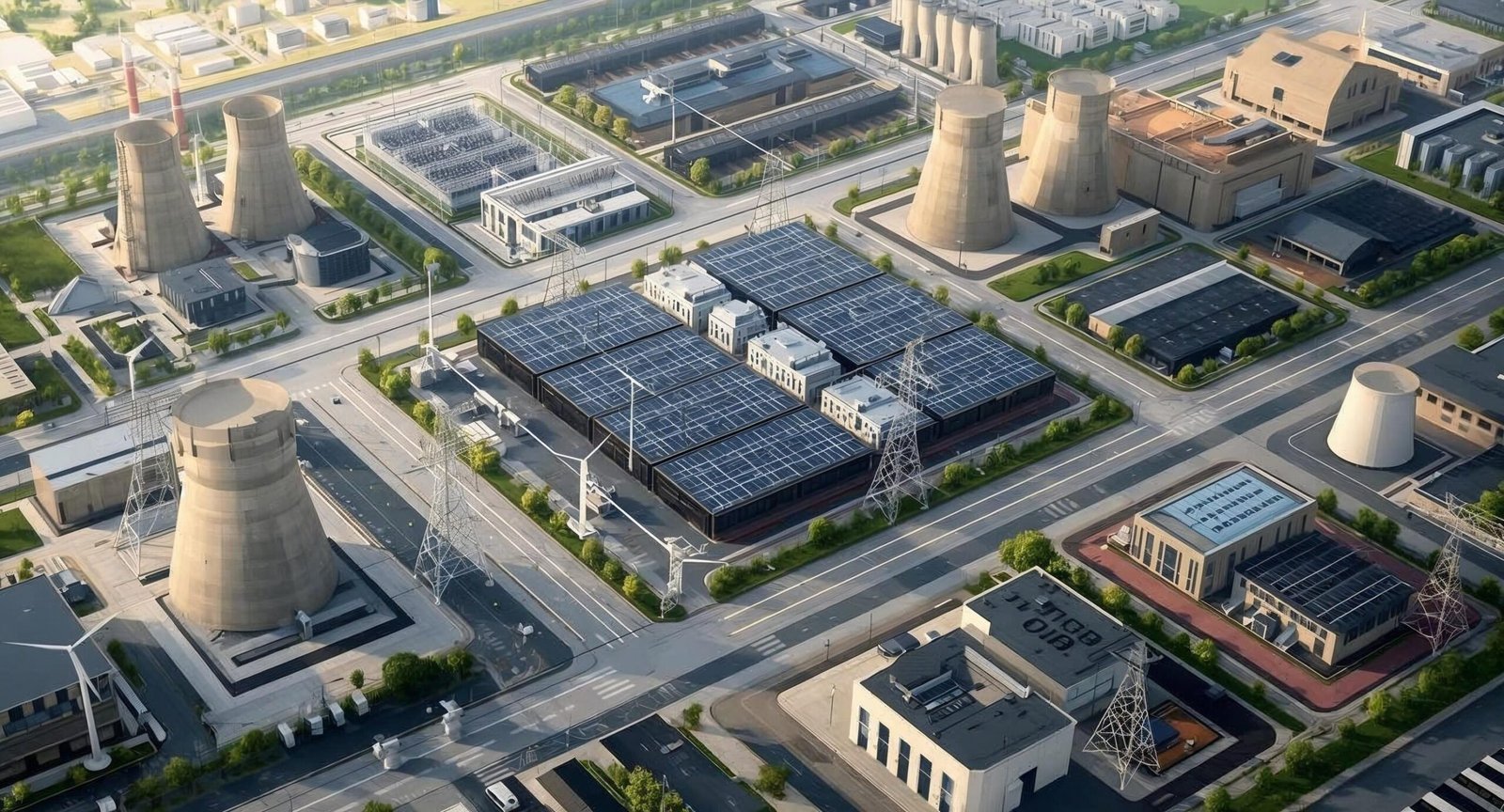
This is not an isolated case. Across the sector, technology firms are exploring bespoke energy solutions, from small modular nuclear reactors to dedicated renewable installations paired with large-scale battery storage. These investments blur the line between technology companies and energy developers, reflecting the strategic importance of power security. For investors, this convergence creates both opportunity and uncertainty, as capital is deployed into assets far removed from traditional software margins.
The financial implications are substantial. Energy costs are becoming a material factor in AI profitability, particularly as competition intensifies and pricing power comes under pressure. While leading firms can absorb higher costs in the short term, sustained increases in electricity demand risk compressing margins or slowing deployment. For smaller players, energy access may become a barrier to entry, reinforcing industry concentration around those with the balance sheets to secure long-term power agreements.
There are also broader macroeconomic considerations. National grids in many regions are already under strain from electrification trends, including electric vehicles and heat pumps. The addition of AI data centres compounds these pressures, raising questions about grid resilience, investment timelines and regulatory frameworks. Governments face a delicate balancing act: attracting high-value technology investment while ensuring energy systems remain stable and affordable for households and industry.
From a sustainability perspective, the stakes are equally high. The AI boom has arrived just as companies have made public commitments to net-zero targets. Reconciling rapid growth in electricity consumption with emissions reduction goals is proving difficult, even for firms with aggressive renewable procurement strategies. Nuclear power, while controversial, is being reconsidered precisely because it offers a pathway to scale without proportionate carbon impact.
For business leaders, the message is clear. AI strategy can no longer be developed in isolation from energy strategy. Decisions about model scale, deployment geography and infrastructure partnerships must now account for power availability and regulatory environments. In some cases, energy considerations may dictate where innovation happens, shifting investment towards regions with surplus capacity or favourable policy frameworks.
The emerging picture is one of constraint-driven innovation. As power becomes a limiting factor, incentives grow to develop more energy-efficient models, optimise inference workloads and rethink how and when AI systems operate. These pressures could accelerate a shift away from brute-force scaling towards smarter, more targeted applications of AI, reshaping the technology’s economic profile.
For the finance community, AI-driven energy demand introduces a new dimension of risk and opportunity. Infrastructure funds, utilities and energy technology providers stand to benefit from increased investment, while technology valuations may increasingly reflect exposure to energy volatility. The intersection of AI and power markets is becoming a key theme for long-term capital allocation.
Ultimately, the strain on energy infrastructure underscores a broader truth about the AI revolution. Its limits are not purely technological, but physical. Data, code and compute may be digital, but the systems that sustain them are rooted in real-world resources. As AI demand accelerates towards 2030, the companies that succeed will be those that recognise electricity not as an operational detail, but as a strategic asset.
In this sense, the future of artificial intelligence may be decided as much in power plants and grid control rooms as in research labs. The race to build smarter machines is now inseparable from the race to generate enough energy to run them.
Source:
Editorial analysis based on World Economic Forum projections and broader global reporting on artificial intelligence infrastructure, energy markets, and technology sector investment trends.